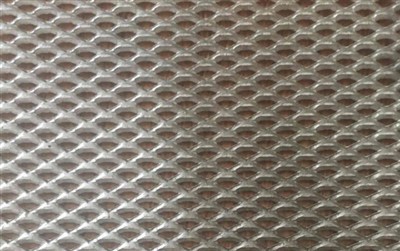
The specifications of expanded metal mesh are typically defined by four core parameters: mesh shape, wire diameter (steel diameter), mesh size (length × width), and sheet size (length × width).
Mesh shape: Common shapes include rhombus, hexagon, and square. Rhombus mesh is the most widely used due to its stable structure and high load-bearing capacity.
Wire diameter: This refers to the diameter of the steel forming the mesh openings, typically ranging from 2-8 mm. A thicker wire diameter results in higher strength, but also increases weight and cost. For example, 4-6 mm wire diameter is commonly used in construction scaffolding, while heavy machinery protection may require wire diameters of 6 mm or more.
Mesh size: This refers to the length and width of the mesh openings, measured in millimeters (mm). For example, common rhombus mesh sizes include 40×80 mm and 50×100 mm. The mesh size directly affects the light transmittance, ventilation, and protective effect of the expanded metal mesh.
Mesh size: Refers to the length and width of a single sheet of steel mesh, which can be customized according to actual needs. Standard sizes are mostly 1×2m, 1.2×2.4m, etc. Larger mesh sizes can reduce on-site splicing work and improve construction efficiency.